Booking choice: The sunrise and base walk, ★ 4.6 (316). Check dates Compare the options below
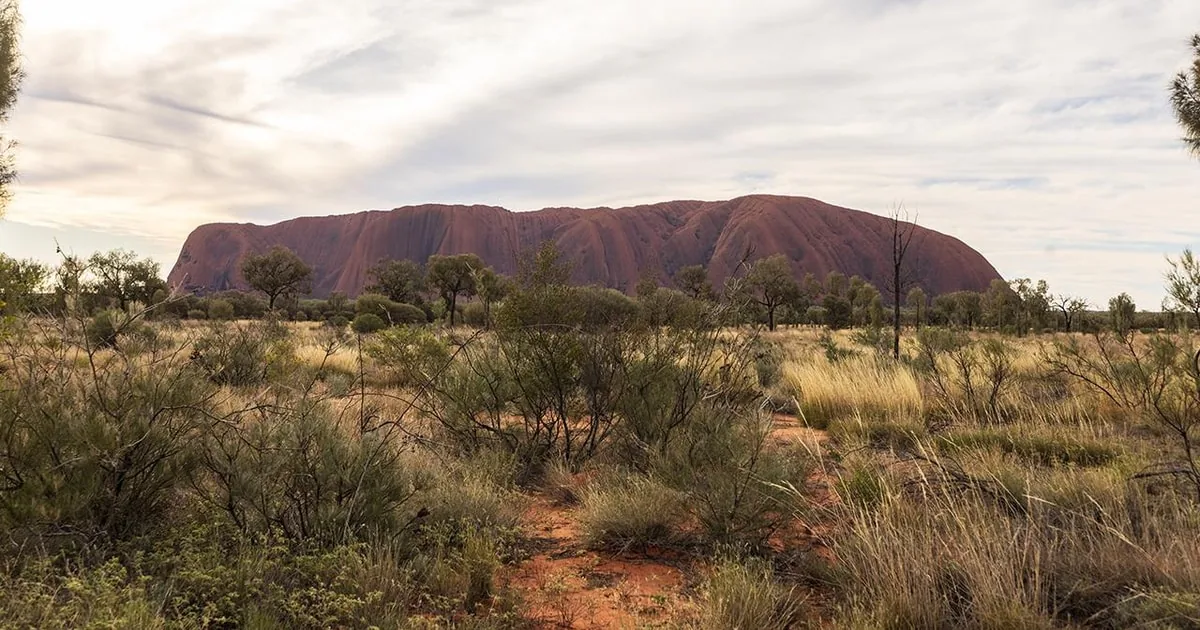
Uluru sits in the middle of Australia's Red Centre, about 465 km by road from Alice Springs, and the weather decides more about your walks than the terrain does. The tracks are flat and well marked all year, but on an average January afternoon the shade temperature passes 38 °C, some tracks close from 11 am on the hottest days, and the flies are at their worst. In winter the same walks are comfortable all morning, while the hour before sunrise can be close to freezing.
This guide goes through the year month by month using Bureau of Meteorology averages for Yulara, the resort town about 20 minutes' drive from the rock, then covers the months to avoid, the shoulder seasons and busy weeks, cold dawns, the five Anangu seasons, rain and waterfalls, heat and flies, and how sunrise and sunset fit the park gate hours. For what to do once you are there, see the best walks at Uluru and Kata Tjuta and how many days you need.
The quick answer
Go between May and September, when highs are usually 20 to 30 °C and you can walk the 10.6 km base walk at any time of the morning. June and July are the coolest, with nights around 4 to 6 °C; August is the driest month and starts the wildflower season. April and October work if you start early. Avoid December to February if you can: highs of 36 to 38 °C, heat closures, storms and flies. Whenever you go, start at sunrise, drink at least 1 litre of water per person per hour, and bring a fly net.
What is the best month to go to Uluru?
Any month from May to September, when average highs sit between about 20 and 29 °C. If you can pick only one, August is hard to beat: mild days, the driest month of the year, cold but clear nights and the start of the wildflower season.
The park itself recommends May to September. In those months you can start the base walk at sunrise or after breakfast and still finish at a comfortable temperature, the Valley of the Winds circuit at Kata Tjuta stays open all day, and the flies are far fewer than in summer.
The table uses Bureau of Meteorology averages for Yulara (1991 to 2020): the mean daily maximum and minimum in the shade. In full sun beside a red rock wall it feels hotter.
| Month | Mean max | Mean min | Walking notes |
|---|---|---|---|
| January | 38.4 °C | 23.0 °C | The hottest month. Walk at sunrise and finish by 11 am; heat closures are likely, with storms and many flies. |
| February | 37.0 °C | 22.3 °C | Still very hot and one of the wetter months, so waterfalls on the rock are possible after a storm. |
| March | 34.5 °C | 19.5 °C | The heat starts to ease; early starts are still essential and the flies stay busy. |
| April | 30.1 °C | 14.7 °C | Shoulder month: pleasant mornings, warm afternoons. Start the base walk early. |
| May | 24.3 °C | 9.2 °C | The best season begins: mild days, cool nights and fewer flies. |
| June | 20.3 °C | 5.5 °C | Cool, clear days and cold dawns. Pack a warm layer for sunrise. |
| July | 20.8 °C | 4.5 °C | The coldest nights, with frost possible. Walking is comfortable all day; school holidays make it busy. |
| August | 23.8 °C | 6.0 °C | The driest month. Wildflowers begin, especially after rain; ideal for longer walks. |
| September | 29.1 °C | 10.8 °C | Warmer but still good, with wildflowers. Start early in the second half of the month. |
| October | 32.5 °C | 15.2 °C | Shoulder month: hot afternoons and the flies return. Walk from sunrise. |
| November | 35.0 °C | 18.5 °C | Hot, and the summer storms begin. Finish your walks by 11 am. |
| December | 36.4 °C | 21.0 °C | Hot and the wettest month on average. Heat closures and flies; walk only in the early morning. |
When to avoid Uluru?
Avoid December to February if you can: average highs of 36 to 38 °C, heat closures on some walks, summer storms and the most flies. November and March are hot too. If summer is your only chance, you can still go, as long as you plan every walk around sunrise.
- Heat: from October to March, days regularly pass 35 °C, and the highest temperature recorded at Yulara is 47.1 °C, in December. In summer the park strongly recommends not walking after 11 am.
- Track closures: on days of 36 °C or hotter (forecast or actual), the Valley of the Winds at Kata Tjuta closes beyond Karu Lookout from 11 am. On 40 °C days the North-east walk, the long open stretch of the base walk, closes from 11 am, and some other Uluru sections close in the afternoon.
- Flies: summer brings large numbers of bush flies. They don't bite, but they go for your eyes, nose and mouth, and a head net is the only real answer.
- Storms: most of the year's rain falls between November and February, often in short, heavy storms.
Summer has its rewards, from storm clouds over the rock to waterfalls after heavy rain. Start walking soon after the gates open (5 am from October to February), be back in the shade by 11 am, and go out again for sunset. The full loop, with its water stations and shade, is described in the Uluru base walk guide.
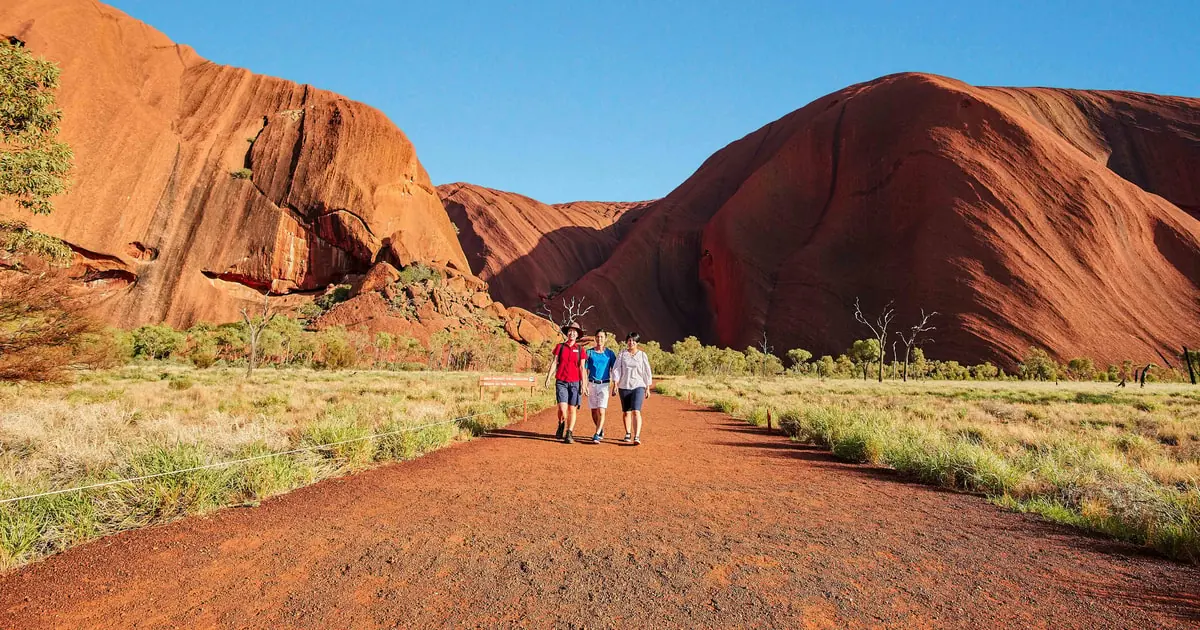
The walking done before the heat: the guided sunrise walk covers the Mala walk, Kantju Gorge and the Lungkata section at a relaxed pace, with a light breakfast on the way.
Check dates for the sunrise and base walkAre April and October good months, and when is it busiest?
Yes, both are good if you walk early: April averages about 30 °C and October about 32 °C, with mornings that suit the base walk well. The busiest weeks are the Australian school holidays, especially June and July, when the resort and the hire cars book out first.
April follows the summer rain. The heat eases week by week, nights drop to around 15 °C, and after a wet summer the country can still be green. Anangu call this time Wanitjunkupai, the cooling season. October is the mirror image: the heat builds, the flies come back, and by the end of the month highs of 35 °C are common. In both months, walk from sunrise and spend the hot afternoon at the Cultural Centre (open 7 am to 5:45 pm).
All the beds near the park are in one resort town, Yulara, so busy weeks fill up early. Australian school holidays tend to be the busiest, especially the winter break in June and July and the spring break around late September and early October. For those dates, book your bed, flights and any hire car early. Even on busy days the base walk spreads people out; crowds gather at Mutitjulu Waterhole, which is quieter at sunrise, lunchtime and near sunset, and at the sunset viewing areas. Flights and transport are in getting to Uluru.
How cold is Uluru in winter?
Colder than most visitors expect: June and July days reach about 20 °C, but the average minimum is 4 to 6 °C and frosty mornings are common. The coldest night recorded at Yulara was minus 3.6 °C, in July.
The desert loses its warmth fast after dark. At a sunrise viewing area you stand still through the coldest hour of the day, often in a breeze, so dress as you would for a cold morning at home: a warm jacket or fleece, a beanie, and gloves if you feel the cold. By 9 or 10 am the layers come off and most people walk in a T-shirt. Reviewers of the guided base walk mention bringing a pullover for the cold dawn in winter, and it is good advice for every sunrise tour.
Winter is also when walking is easiest. You can start the base walk after breakfast, take your time at Kantju Gorge and Mutitjulu Waterhole, and still finish at a comfortable temperature. The sun is strong even when the air is cool, so a hat, sunscreen and water still matter.
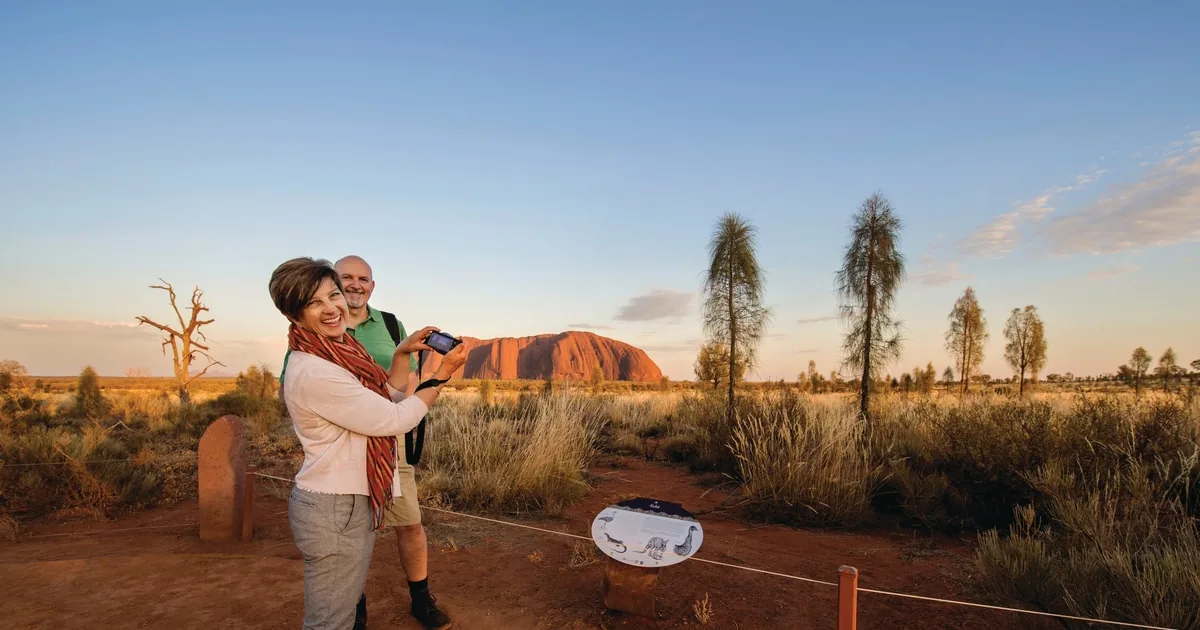
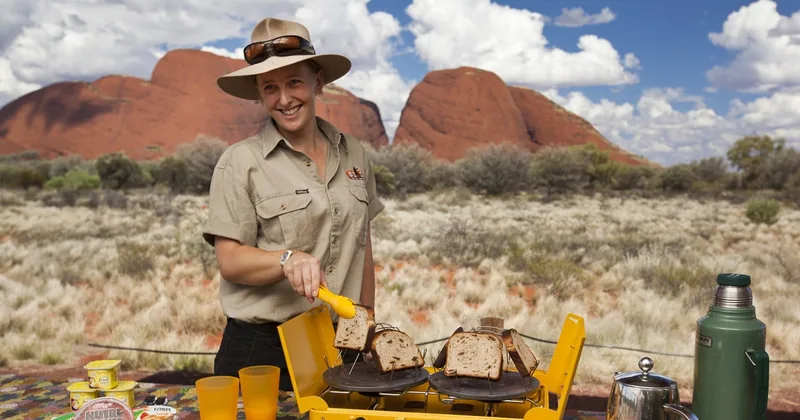
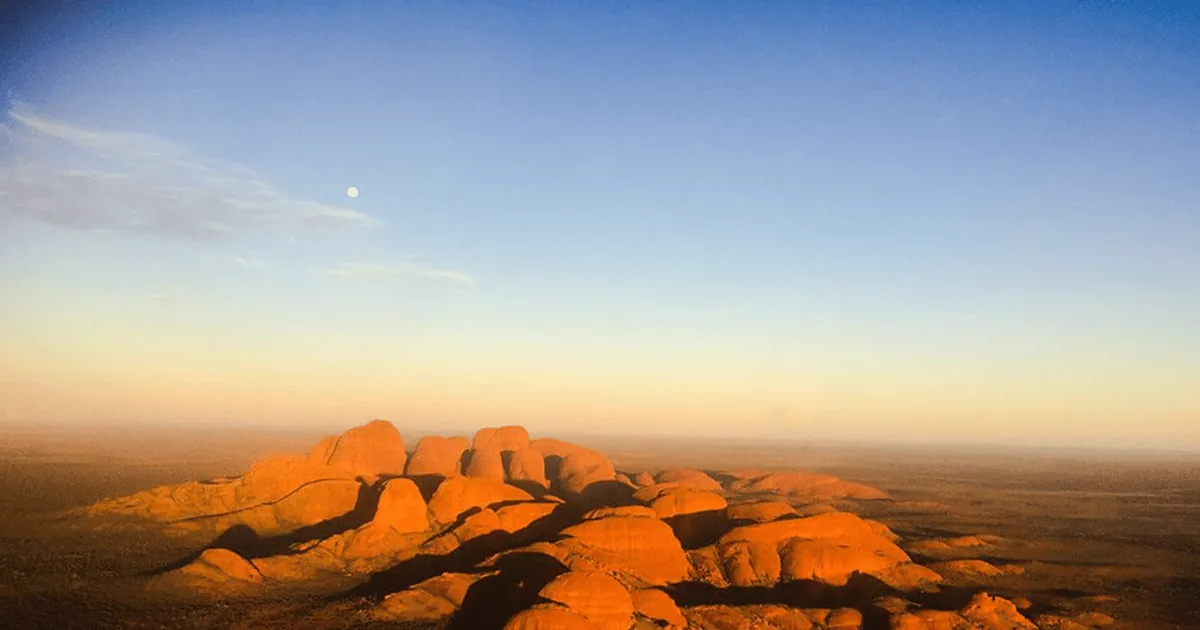
The Kata Tjuta sunrise tour starts at the dune viewing area as the domes turn orange, with an outback picnic breakfast afterwards and a walk into Walpa Gorge. A reviewer notes that the gorge path is very rocky, as the listing warns, so wear sturdy shoes; on a winter morning, add a warm layer for the wait before sunrise.
Explore the Kata Tjuta sunrise walkWhat are the Anangu seasons at Uluru?
Anangu, the Traditional Owners of the park, recognise five seasons based on the weather and the food it brings, rather than four calendar ones.
- Itjanu and inuntji (about January to March): the rain season. Summer storms can bring heavy rain, and plants flower and fruit in the weeks after it.
- Wanitjunkupai (about April to May): the cooling season, as the weather settles and the nights grow cold.
- Wari (about late May to July): the cold season, with frosty mornings and clear, still days.
- Piriyakutu (about August to October): warm winds return and animals breed. This is when wildflowers are at their best.
- Mai wiyaringkupai, also called kuli (about late October to December): the hottest time of the year, before the storms arrive.
The seasons are not fixed dates, and the park describes them in more detail on its seasons page.
Does it rain at Uluru, and when do the waterfalls run?
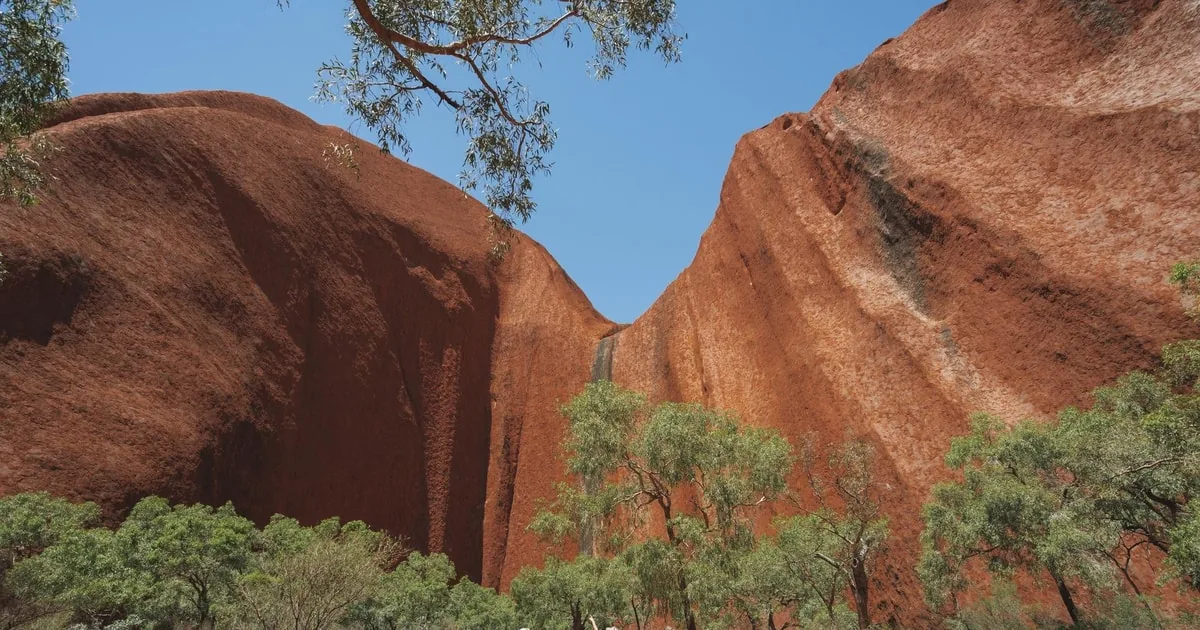
Rarely, but heavily when it does: under 300 mm falls in an average year, mostly in summer storms from November to February. After heavy rain, waterfalls pour off the rock, one of the rarest and most beautiful sights in the park.
December is the wettest month on average, with about 47 mm, and August the driest, with about 5 mm. When a storm breaks, water runs down the grooves and gullies of Uluru within minutes and gathers in waterholes such as Mutitjulu. The waterfalls stop soon after the rain does, so you cannot plan for them, only be ready: if a storm passes through, head for the Kuniya walk to Mutitjulu Waterhole or the Mala walk to Kantju Gorge. Swimming in the waterholes is not allowed. A reviewer of the sunrise walk mentions one section of track under water after rain.
For wildflowers, come in August and September, especially after a wet summer or good winter rain. The Liru walk, from the Cultural Centre to the rock through mulga woodland, is known for flowers after rain, and pink daisies grow in Walpa Gorge at Kata Tjuta in late winter.
How do heat and flies change your walking day?
In the hot months they set the whole timetable: start at sunrise, carry and drink at least 1 litre of water per person per hour, and finish by 11 am. Flies are worst in the warm months, and a head net makes the difference between enjoying a walk and swatting your way through it.
- Water: the base walk takes about 3.5 hours (allow 3 to 4), so on a warm day you need 3 to 4 litres each. There are water stations along the base walk and water at the start and halfway point of the Valley of the Winds; fill up at every one.
- Timing: in summer, be walking at sunrise and done by 11 am. Check the forecast the evening before: heat closures follow the forecast temperature.
- What to wear: a wide-brimmed hat, sunscreen, sunglasses, light long sleeves and sturdy shoes. The tracks are flat but gravelly, and Kata Tjuta has steep, rocky steps.
- Flies: head nets are sold at the resort and in the park, and the reviews of almost every tour here call them a must from spring to autumn. Winter mornings have far fewer.
- Safety on the track: walk with a companion, obey any track closure signs, and note that the base walk has emergency call devices as well as water stations.
The rules that apply on every track, from photos to where you can touch the rock, are in the Uluru rules guide.
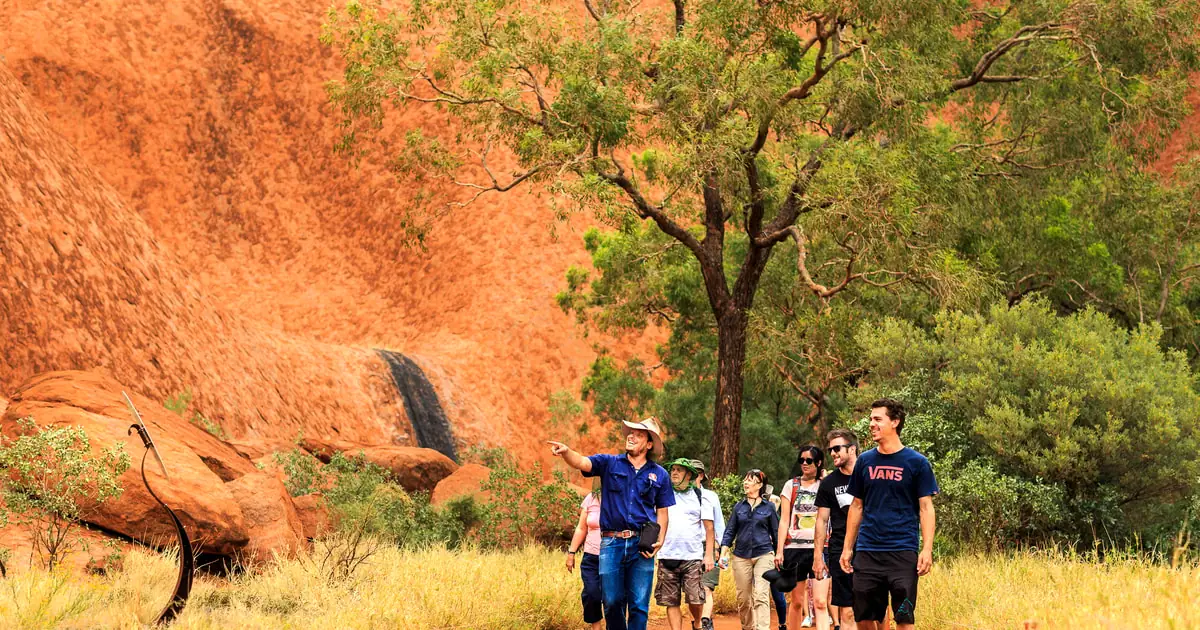
Short on time or not keen on a long walk in the heat: the Uluru Highlights morning tour pairs sunrise and a picnic breakfast with the short Kuniya walk to Mutitjulu Waterhole.
Check dates for the Uluru highlights morningWhat time is sunrise and sunset at Uluru?
Roughly 6 am and 7:30 pm in midsummer, and about 7:30 am and 6 pm in midwinter. The park gates open about an hour or more before sunrise all year and close after dark, so there is always time to reach a viewing area.
The Northern Territory has no daylight saving, so the times change only with the seasons. The gates open at 5 am from October to February and at 6:30 am in June and July, and close between 7:30 pm in winter and 9 pm in midsummer; everyone must leave the park by closing time. The month-by-month gate hours are in the rules guide. For sunrise, go to Talinguru Nyakunytjaku, about 30 minutes from the resort, with views of both Uluru and Kata Tjuta, or to the Kata Tjuta dune viewing area. For sunset, use the Uluru car sunset or bus sunset viewing area, or the Kata Tjuta sunset viewing area. Arrive 30 minutes early: the best colour often comes just before sunrise and just after sunset.
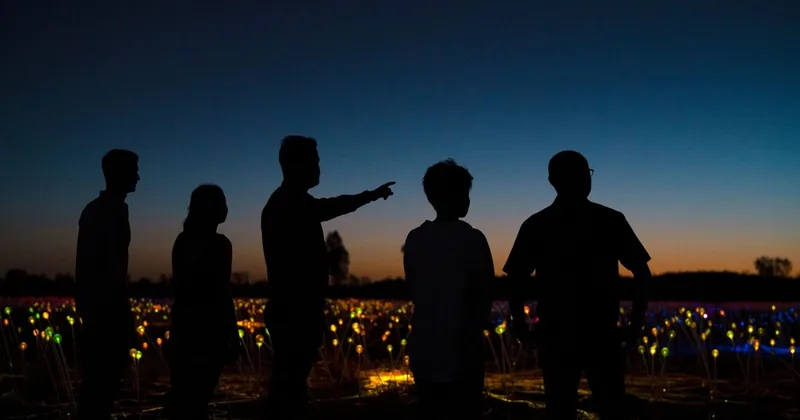
After dark, the Field of Light, Bruce Munro's installation of about 50,000 solar-lit stems near the resort, has been extended beyond its 10th anniversary in 2026; check dates when booking. Wintjiri Wiru, created with Anangu, tells the Mala story with more than 1,000 drones. On clear winter nights the stars are extraordinary; bring your warmest layers.
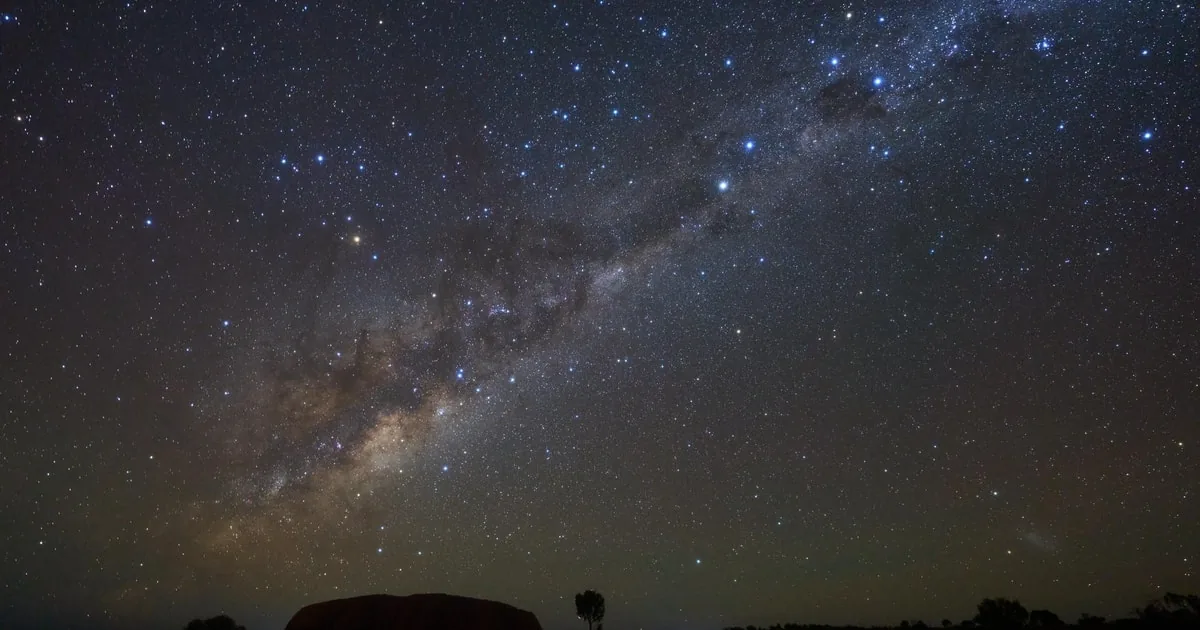
Walk among the lit stems of the Field of Light in the dark, then watch the sun rise over Uluru from the dune-top platform with tea, coffee or hot chocolate.
Check dates for the Field of Light sunriseFrequently asked questions
Is Uluru worth visiting in summer?
Yes, if you plan around the heat. Walk from sunrise, finish by 11 am, rest through the afternoon and go out again for sunset. Summer also brings the best chance of seeing waterfalls on the rock after a storm. Check the forecast each evening: on days of 36 °C or more, the Valley of the Winds closes beyond Karu Lookout from 11 am.
What is the hottest month at Uluru?
January, with an average maximum of about 38 °C at Yulara; December and February are close behind. The coldest month is July, with average highs near 21 °C and nights of around 4 to 5 °C.
What is the best time of day to walk around Uluru?
Sunrise, in every season. The park recommends an early start from the Mala carpark, walking clockwise, and in the hot months finishing by 11 am. In winter you can also start after breakfast. Details in the Uluru base walk guide.
Will the base walk be open in 2027 and 2028?
Parks Australia has planned upgrades from 2027, including a wider track and new boardwalks, so parts of the route may change while the work is under way. Nothing is closed now; check park alerts on uluru.gov.au or at the Cultural Centre before you go.
Ready to book
Choose your walk
Check your date and the live price on GetYourGuide; the refund terms are shown on each option.
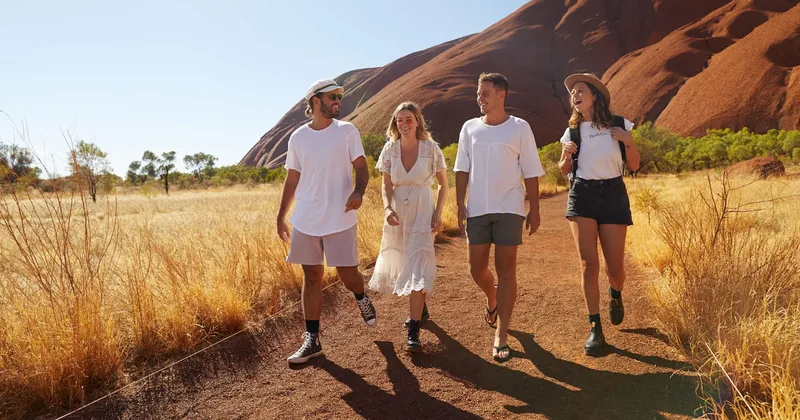
Uluru Sunrise & Guided Base Walk
- Sunrise viewing, then the walk around the base
- Mala Walk, Kantju Gorge and the Lungkata story
- Light breakfast with hot drinks
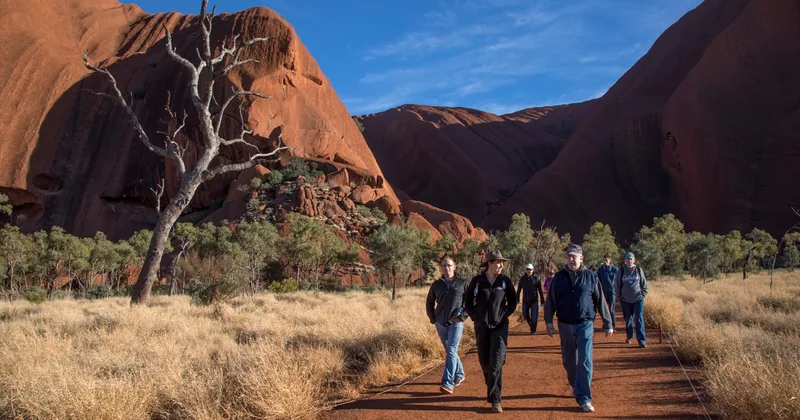
Uluru Highlights Morning & Breakfast
Sunrise, breakfast and the short walk to Mutitjulu Waterhole, then a drive around the rock